Information on this site is advertising in nature

Rethinking how languages are learned

Built on cognitive science and adapted through thousands of hours working with diverse learning patterns.

Origins of the methodology

The foundation emerged from a simple observation: traditional language instruction treats all minds identically, yet cognitive research shows profound variation in how individuals process and retain linguistic information.

Early experiments with adaptive teaching revealed that when methodology aligned with natural processing patterns, retention improved dramatically. Not through more repetition, but through better resonance between input and cognition.

What began as informal tutoring evolved into a systematic approach, refined through continuous feedback from learners across different languages, backgrounds, and objectives.

Educational workspace with learning materials

Core principles that guide our work

Assessment precedes instruction

Before designing any learning path, we identify cognitive preferences through practical language interaction. Written diagnostics miss what only real-time processing reveals. Some patterns only emerge under cognitive load.

Context drives retention

Abstract grammar exists as reference, not foundation. Language acquisition accelerates when new information connects to existing knowledge structures and lived experience. We build from what learners already understand.

Mistakes inform methodology

Errors reveal underlying processing logic. Rather than simply correcting, we analyze patterns in mistakes to refine teaching approach. What looks like random mistakes often indicates systematic cognitive processing.

Progress requires safety

Fear of judgment blocks the experimentation necessary for fluency. Learning environments must permit failure without social cost. Confidence develops through successful risk-taking, not perfect performance.

How we structure learning experiences

Each program begins with an assessment phase. Not questionnaires asking how you think you learn, but actual language tasks that reveal processing patterns. We observe how you approach unfamiliar words, construct sentences, and respond to correction.

From these observations, we build an initial hypothesis about your learning architecture. Visual processors receive different input than auditory learners. Those who need grammatical structure get it; those who learn through immersion start there instead.

Content draws from your actual context. Business professionals practice presentations and negotiations. Travelers work through realistic scenarios they'll encounter. Academic learners focus on formal writing and technical discussion.

Progress tracking happens through practical assessment, not standardized tests. Can you accomplish your stated goals? The metrics that matter are functional, not academic.

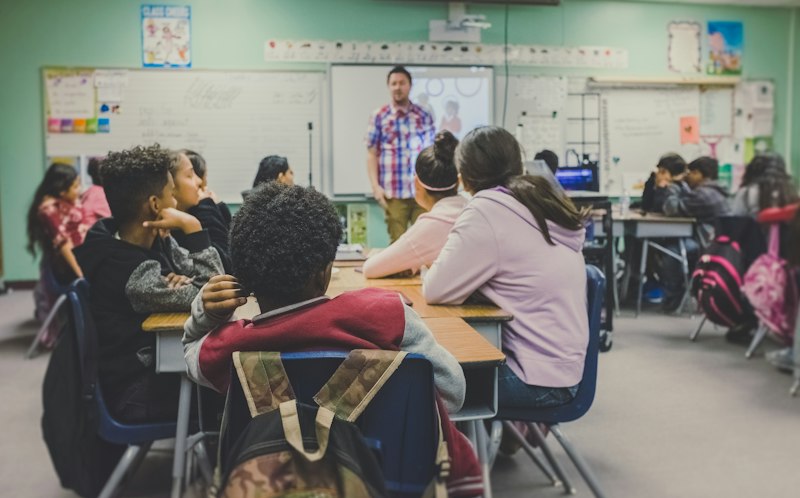
Interactive learning session

Who develops and delivers these programs

Our instructors combine formal linguistics training with extensive practical teaching experience across multiple languages. Most have taught traditionally before adopting adaptive methodologies, giving them perspective on what conventional approaches miss.

Continuing education remains central. Language acquisition research evolves, and effective teaching requires staying current with cognitive science findings. Regular training sessions ensure methodology incorporates latest understanding of memory, attention, and neural plasticity.

Beyond credentials, what distinguishes our team is commitment to individualization. Generic curriculum feels efficient but produces mediocre outcomes. Customization requires more preparation but generates substantially better results.

Experience the difference personalization makes

Discover how learning accelerates when methodology matches your natural cognitive patterns.

View learning pathways